
Tree care and tree service tips written by a certified arborist:
- what is the best season to prune a tree
- best and worst trimming techniques
- pest and disease prevention
- planting and caring for trees
- stump removal
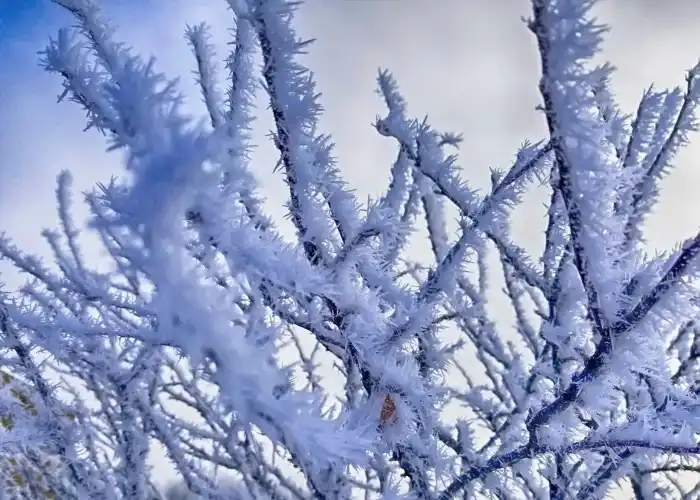
Frostbite & Winter Tree Damage
The ice, wind, snow, and freezing temperatures that mark winter are not just uncomfortable to human beings but could also prove quite detrimental to trees. And while you could make arrangements to winterize your home and take care of most of your possessions, you might not realize that your trees could also do with some…
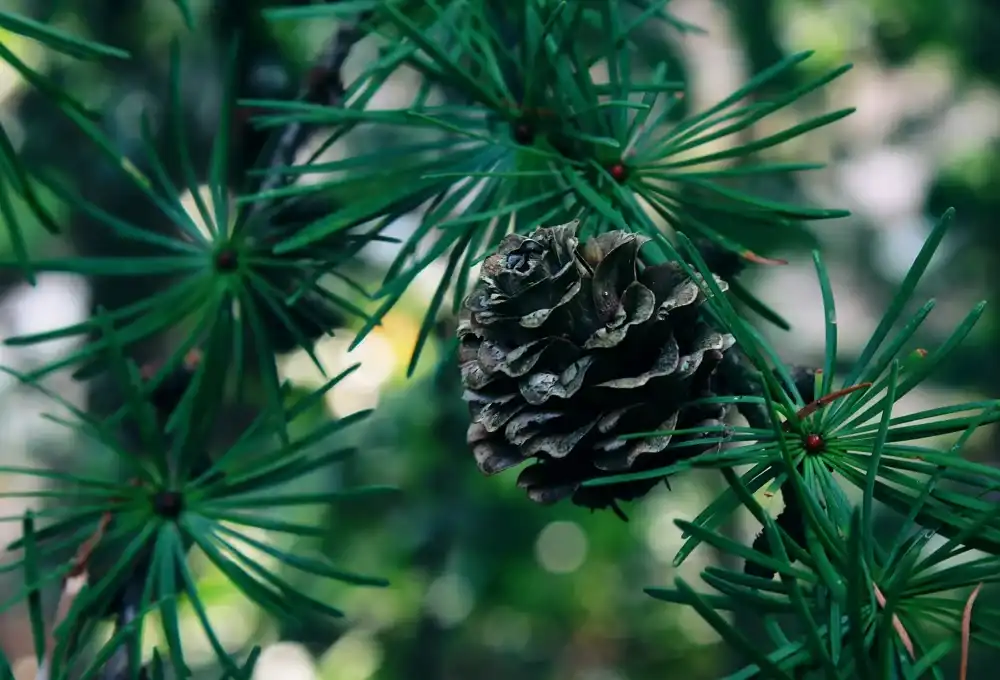
Best Time To Prune Evergreen Trees
Across the Midwest, most homeowners and gardeners tend to call conifers evergreens generally. While the needled pines, spruce, and scarlet leaf types fit that description, broad-leaved evergreens are not conifers. If you’ve had the opportunity to grow or tend to evergreen trees, you already know they don’t need much of the heavy pruning we’re used…
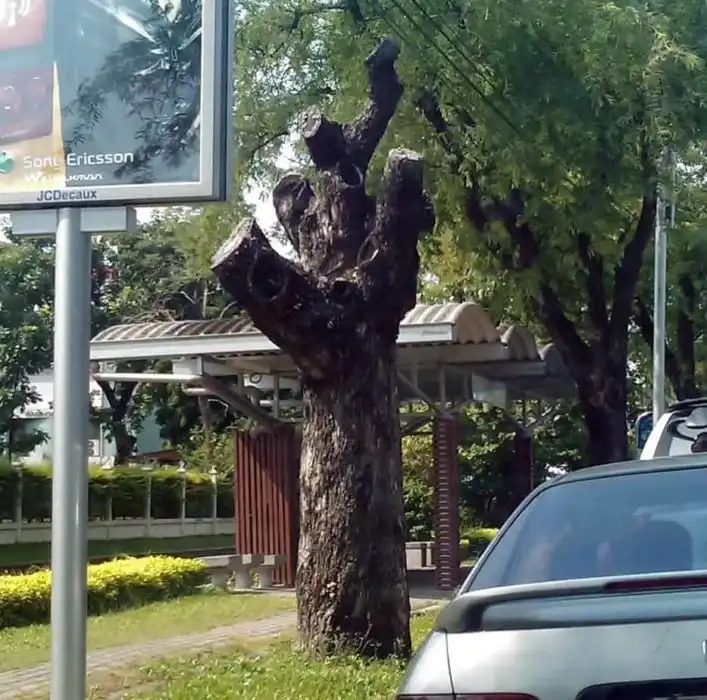
Why We Don’t Recommend Tree Topping
Tree topping is a technique that costs more in the long run and has the potential to hurt the tree. It is usually done by utility companies or by homeowners misinformed by their tree service contractor. This practice is so inefficient and dangerous that some cities in the US have even introduced regulations against it….
Can You Repair a Storm Damaged Tree
In the aftermath of a severe storm, homeowners are often left with the daunting task of assessing the damage and deciding if their storm-damaged trees can be repaired. This article aims to provide valuable insights and guidance for homeowners seeking to restore their beloved trees. As the founder of The Arbor Day Foundation, John Rosenow…
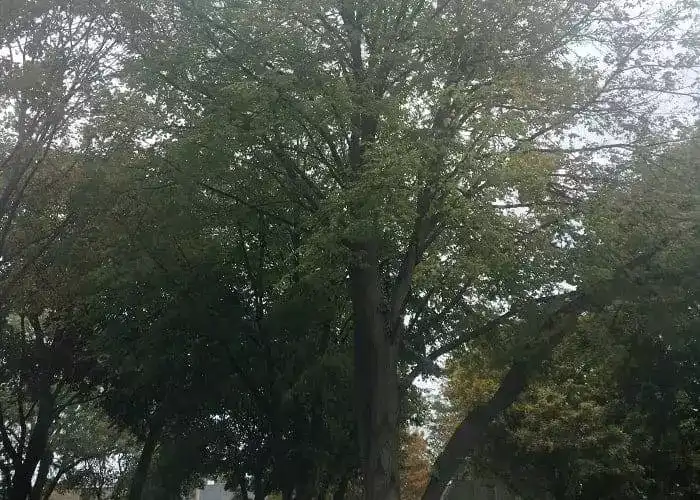
Common Tree Diseases in Chicago
Just like humans do occasionally, trees get sick and recognizing the most common tree diseases will help you treat them and keep the benefits they offer for years to come. Trees in the Chicago area remove around 18,000 tons of pollution, which has an estimated value of $137,000,000 annually. It is safe to say that…
Summer Tree Care
Summer is the best time to take care of your trees because it has favorable conditions for the plant to grow, unlike winter. Observing a maintenance routine not only ensures that your trees are healthy, but it also improves the aesthetic appeal of your backyard. The following are some of the best tree care tips…
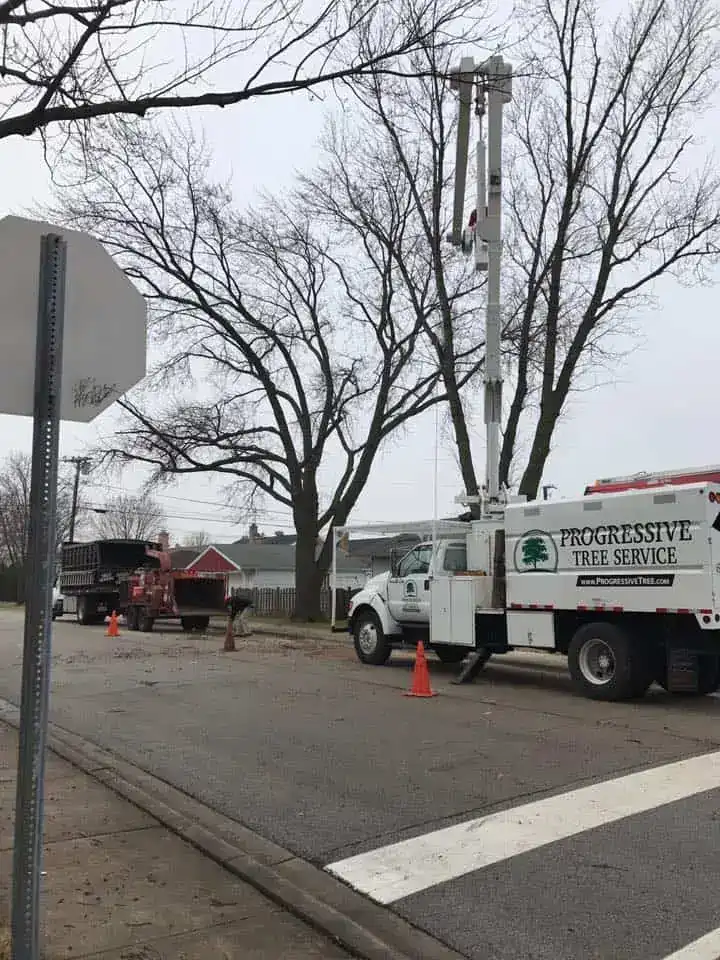
ISA Certified Arborist Chicago IL – Expert Tree Care & Consultation
Professional Arborist Services ISA certified arborists possess a wealth of knowledge and training that sets them apart in the field of tree care. Their specialized expertise encompasses tree biology, soil management, pest and disease control, and much more. With this comprehensive understanding, they’re equipped to provide services that address the diverse needs of trees, ensuring…

Why Tree Service Insurance Matters (And How to Check for It)
Progressive Tree Service, a fully licensed and insured tree care company serving Chicago and Evanston, Illinois, understands that proper insurance coverage represents the foundation of responsible tree care operations. Insurance protection shields homeowners from potential financial liability while ensuring professional standards are maintained throughout every aspect of tree service delivery. This comprehensive guide examines why…
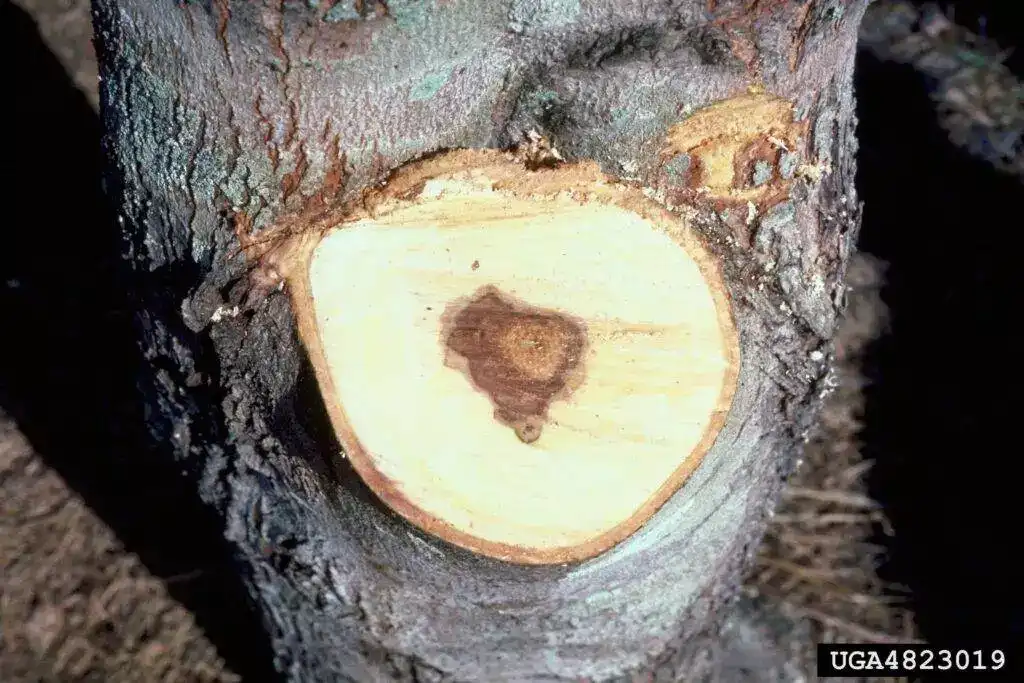
Wood Decay in Chicago’s Urban Forest: Understanding, Managing, and Preserving Tree Health
Wood decay poses a significant challenge to Chicago’s area urban forest, impacting tree health, safety, and longevity. This article explores the complexities of wood decay in urban trees, from its biological underpinnings to advanced management strategies. By understanding the interplay between trees, fungi, and the unique urban environment of Chicago, we can better protect and…
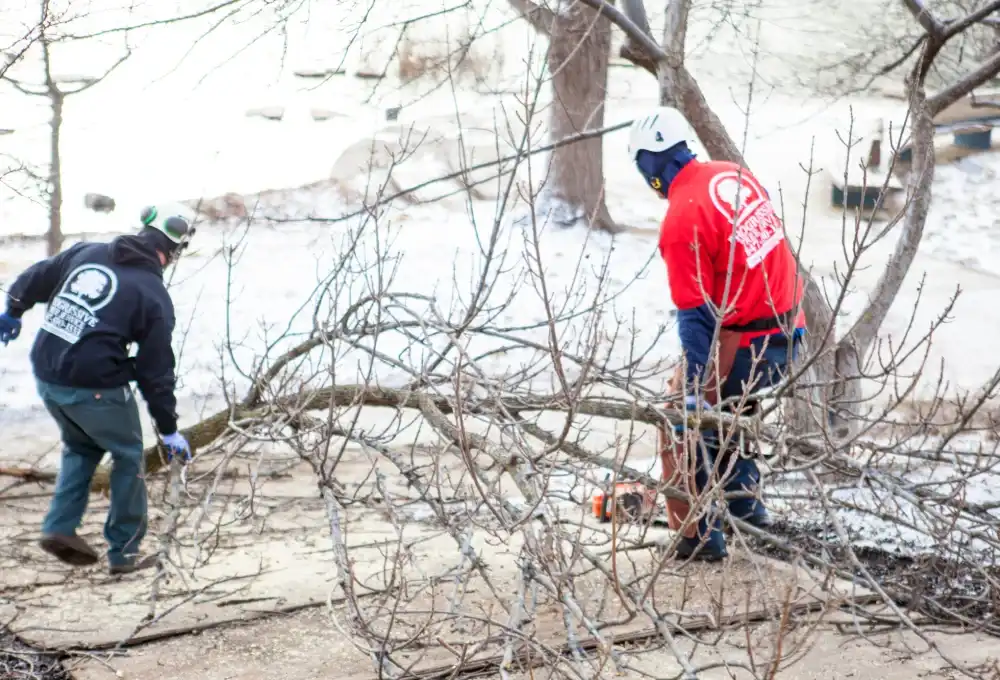
Best Time To Trim Trees In Illinois
More often than not, most people in Illinois tend to believe that pruning during fall is the perfect time of the year. We’re going to see if that really holds water, especially when there are four seasons. Pruning is done for several reasons but mostly to maintain safety and to control the size of the…
You must be logged in to post a comment.